
To study in Canada for more than a short course, most foreign nationals need a study permit. After graduation, many students hope to stay and work on a post-graduation work permit (often written as post graduate work permit, or PGWP). Both have requirements that have tightened since 2024. Law Wise, based in Mississauga, helps students and their families prepare study permit applications, extensions and PGWP applications.
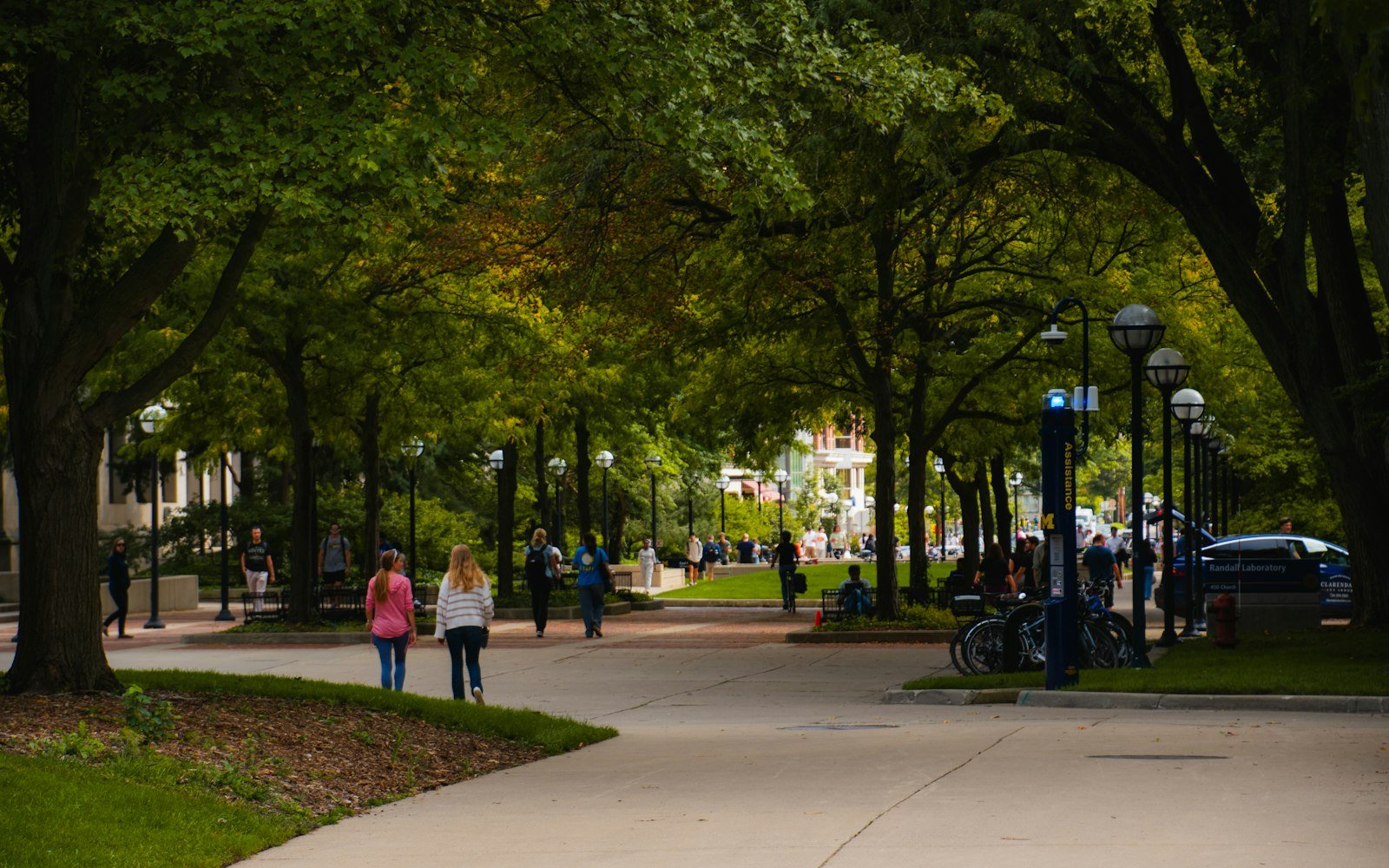
Study permit requirements
According to Immigration, Refugees and Citizenship Canada (IRCC), you can study in Canada if you:
- are enrolled at a designated learning institution (DLI), which is a school approved by a province or territory to host international students
- can prove you have enough money for tuition, for living expenses for yourself and any family members who come with you, and for return transportation
- obey the law and have no criminal record, with a police certificate if one is required
- are in good health, with a medical examination if one is required
- can prove to an officer that you will leave Canada when your study permit expires
The starting document is a letter of acceptance from a DLI. Apply before you travel to Canada.
Provincial attestation letter (PAL)
Most applicants who plan to study outside Quebec also need a provincial or territorial attestation letter. It comes from the province or territory, through your school, and confirms that there is a space for you under the national limit on study permits. It must be submitted with the application, and it is generally valid until 31 December of the year it was issued for. Students going to Quebec need a Quebec Acceptance Certificate (CAQ) in its place.
Some applicants do not need a PAL. On IRCC’s page, last modified on 2 September 2026, the exemptions included:
- preschool, primary and secondary school students
- students in master’s or doctoral degree programs at public institutions, starting 1 January 2026
- exchange students who pay no tuition to the Canadian school
- students already in Canada who are extending a study permit at the same school and level of study
Proof of funds
You must show money for living costs on top of tuition and travel. For one applicant studying outside Quebec, IRCC’s figure is CAN$23,448 a year for applications submitted on or after 1 September 2026, and the amount is updated each year. Accepted proof includes a guaranteed investment certificate (GIC) from a Canadian financial institution, proof of paid tuition and housing, a student loan, bank statements for the past six months, a scholarship, or a letter from the person supporting you.
Working while you study
Eligible full-time students at a DLI can work off campus without a separate work permit:
- up to 24 hours a week during regular academic sessions
- full-time during breaks scheduled by the school, such as summer and winter holidays
Your program must be at least six months long and lead to a degree, diploma or certificate, you must have started studying, and you need a social insurance number. Working more than the limit breaks the conditions of your study permit. You could lose your student status and be refused future permits.
Post-graduation work permit (PGWP)
A PGWP lets a graduate work in Canada after completing an eligible program. On IRCC’s pages, last modified in March and June 2026, the main rules were:
- Program. You completed a program of at least eight months at a PGWP-eligible designated learning institution, and you studied full-time in every semester except, where applicable, the last.
- Deadline. You apply within 180 days of confirmation that you completed the program.
- Language. CLB 7 in all four abilities for bachelor’s, master’s, doctoral and other university programs, and CLB 5 for college and other non-university programs.
- Field of study. Graduates of bachelor’s, master’s and doctoral programs have no field of study requirement. Graduates of other programs must have studied in an eligible field if they applied for their study permit on or after 1 November 2024.
- Length. For a program of at least eight months but less than two years, the permit may be valid for up to the length of the program. For a program of two years or more it may be valid for three years. A master’s degree of at least eight months may also qualify for three years.
- Once only. You cannot get a second PGWP after a later program.
Check PGWP eligibility before you choose a program
Not every school or program leads to a post-graduation work permit, and the language and field of study rules now decide many applications. Confirm the rules for your school, your program and your intake on IRCC’s website before you pay tuition. The requirements described here are those shown on IRCC’s pages on 10 October 2026.
From study to permanent residence
Canadian education earns additional points under Express Entry, and skilled work experience gained on a PGWP can lead to the Canadian Experience Class. Some provincial nominee streams are also open to graduates. A study plan that keeps these routes in mind is worth making at the start.
If a study permit is refused
A study permit is refused when the officer is not satisfied that the requirements are met, for example that the applicant has enough funds, has a credible study plan or will leave Canada at the end of the stay. Depending on the reasons, the answer may be a new application with better evidence or an application to the Federal Court, where the deadline is short. See immigration and refugee appeals.
How Law Wise helps students
- reviewing the letter of acceptance, attestation letter and financial documents before filing
- preparing the study permit application and the study plan
- extensions and changes of school or program
- post-graduation work permit applications
- advising after a refusal, including reapplication and judicial review
- planning the route from study to permanent residence
You are not required to use a representative, IRCC’s forms and guides are free, and no representative can promise an invitation or an approval. Your file is handled by a Law Wise lawyer licensed by the Law Society of Ontario. Service is available in English, Urdu, Punjabi and Hindi, and, if you retain the firm, fees are explained and confirmed in writing before work starts.
Common questions about studying in Canada
Do I need a provincial attestation letter?
Most study permit applicants outside Quebec do. The main exemptions are for school-age students, master’s and doctoral students at public institutions from 1 January 2026, some exchange students, and students extending at the same school and level. Check IRCC’s current list before applying.
How much money do I have to show for a study permit?
Tuition, travel, and living costs. For one applicant outside Quebec, IRCC’s living-cost figure is CAN$23,448 a year for applications submitted on or after 1 September 2026. The figure rises with each family member and is updated every year.
How many hours can international students work?
Eligible students can work off campus up to 24 hours a week during regular academic sessions and full-time during scheduled breaks.
Does every program qualify for a PGWP?
No. The program must be at a PGWP-eligible institution and last at least eight months, and graduates of many college and other non-degree programs must have studied in an eligible field. Language test results are also required.
How long is a post-graduation work permit valid?
It depends on the program: up to the length of the program for programs of eight months to under two years, and up to three years for programs of two years or more and for eligible master’s degrees. It cannot be longer than your passport is valid.
What can I do if my study permit is refused?
Read the refusal reasons carefully. You may be able to reapply with stronger evidence, or ask the Federal Court to review the decision: the time limit is 15 days for a decision made in Canada and 60 days for a decision made outside Canada.
Speak with an immigration lawyer about studying in Canada
Your first consultation is free for 15 minutes, by appointment. Call us or send a message, and have your letter of acceptance and any refusal letter ready.
This page is general legal information, current as of 10 October 2026. Immigration programs and instructions change often, so confirm the current rules on the Immigration, Refugees and Citizenship Canada (IRCC) website. This page is not legal advice and does not create a lawyer-client relationship. For advice about your situation, please speak with a lawyer.